
By Nic Anderson
Head of Wolverhampton Grammar School
As Head of Wolverhampton Grammar School, I often reflect on what education truly means in today’s world. For generations, schools have been seen as places where knowledge is transmitted, and exams are the ultimate measure of success. But is that enough in a world where the only constant is change? In today’s technological society where knowledge can be summoned at the touch of a button, but skills can only be acquired through experience?
Across the week, our students will be taking part in a range of activities to help raise awareness and encourage open conversations about safety, respect, and support within our community. Big School is illuminated in a striking orange glow, symbolising hope and solidarity. Our Student Mental Health Champions will also be leading activities such as making orange ribbons and supporting lessons focused on how we can all play a part in keeping each other safe. The future our students face is unpredictable. Artificial intelligence, climate change, and global interconnectedness are reshaping careers and societies faster than any curriculum can keep up. So, what should education look like in this context?
At Wolverhampton Grammar School, we believe education must go beyond grades. It should nurture critical thinking, emotional resilience, curiosity and ethical responsibility. These are not just buzzwords; they are survival skills for the 21st century. When students learn to question, adapt, and collaborate, they become architects of their own future rather than passengers on someone else’s journey. That is why we teach lessons that reflect this philosophy.
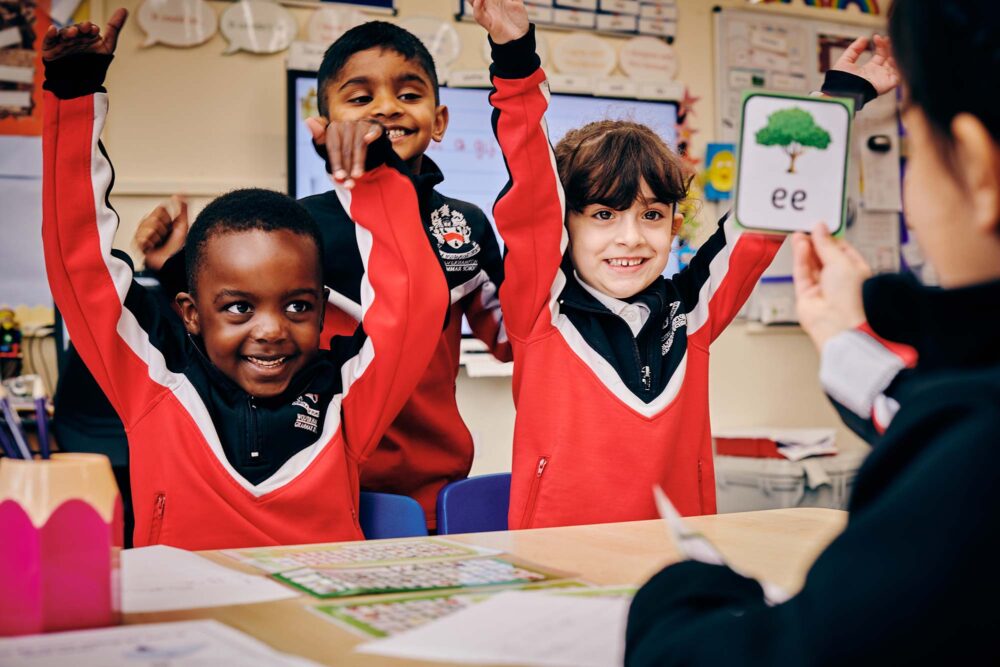
At the lower end of the school, we have introduced lessons called ASPIRE (Awe, Success, Presentation, Involvement, Reflect, Explore). The content of these lessons includes debating, IT skills, accelerated reading and memory magic skills. The purpose of these is to enable students to see beyond subject content, to develop and nurture the skills that they need to be successful in the 21st century and which employers consistently say they want to see in prospective employees.
There is no doubt, since COVID, that society places much greater emphasis on mental as well as physical wellbeing. Without being both physically and mentally healthy then playing a full and active part in life and contributing to society becomes more difficult. At WGS we have introduced Wellbeing lessons for students in every Year group, to replace PSHE, and educate them with the knowledge and skills to ensure they can maintain their own physical and mental health, as well as knowing where to go for help if they need it both inside and outside of school.
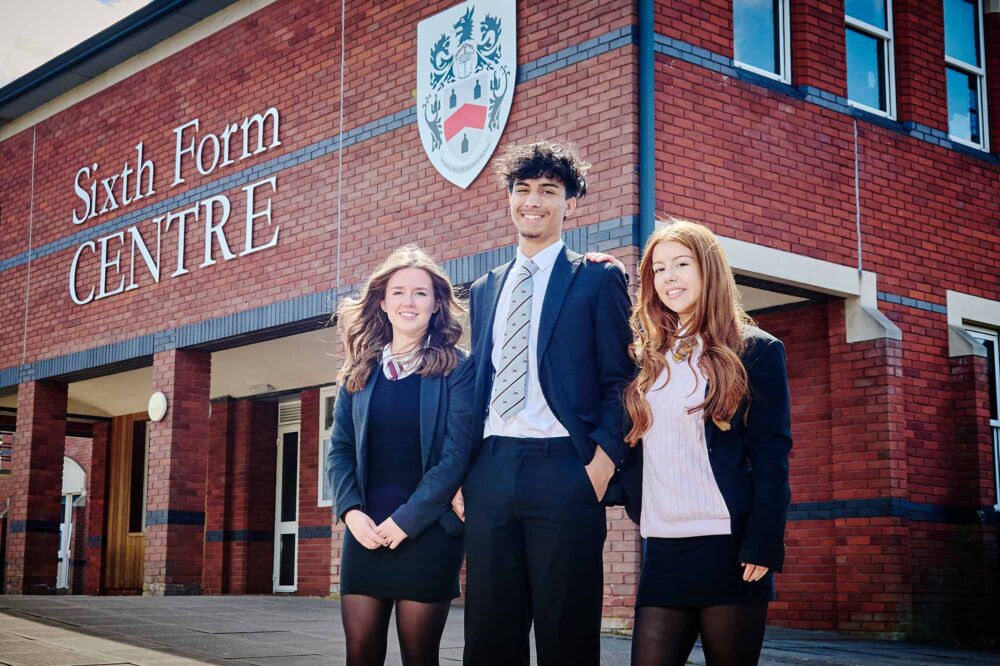
For many of our students Sixth Form is the gateway to University or to employment and our own devised course, named Futures, enables them to gain exposure to a range of ideas and skills they wouldn’t ordinarily access through their classroom curriculum. From interview and job application practice with our Head of Careers, through budgeting in how to spend £5000 and even how to be a grown up considering driving skills, networking and small talk down to how to build flat pack furniture, Futures gives our students the opportunity to ready themselves for life as an adult.
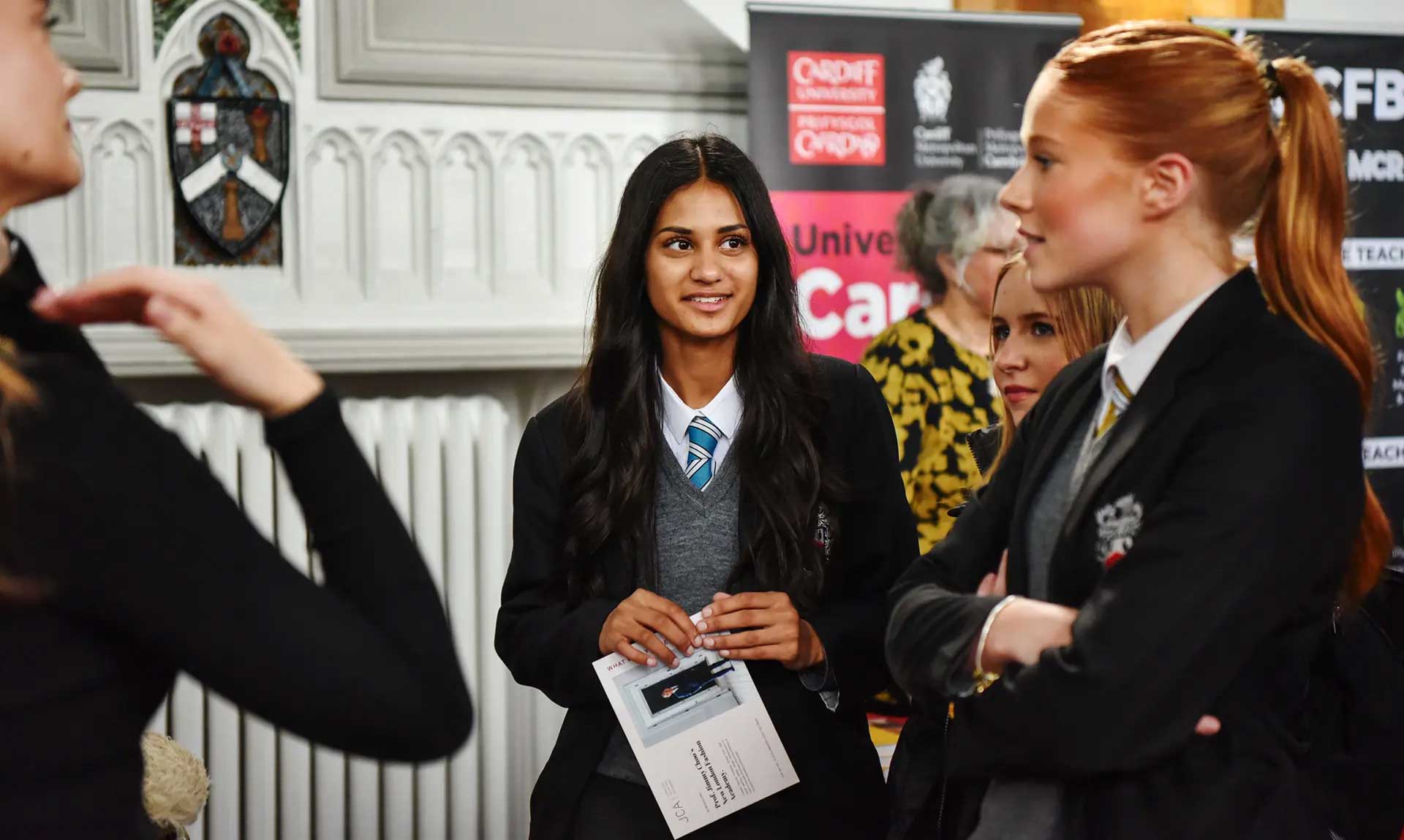
Outside of Futures our comprehensive Careers and Higher Education provision is woven throughout our school. Students gain the opportunity to meet and discuss careers in a wide range of fields with our own ex-students working in areas such as engineering, medicine and the arts. A range of careers fairs both general and specialist take place at different times of the year exposing our students to places of work that they may never otherwise have considered and thereby enabling them to make the right decisions for them as they take their first steps on the career ladder. Visits to external events held at the NEC and Edgbaston in Birmingham complement the work that is undertaken in school and students also receive one-to-one guidance and support as they progress through the school. All the time ensuring that students are shown the multitude of options available to them and helping guide them towards their ultimate goals.
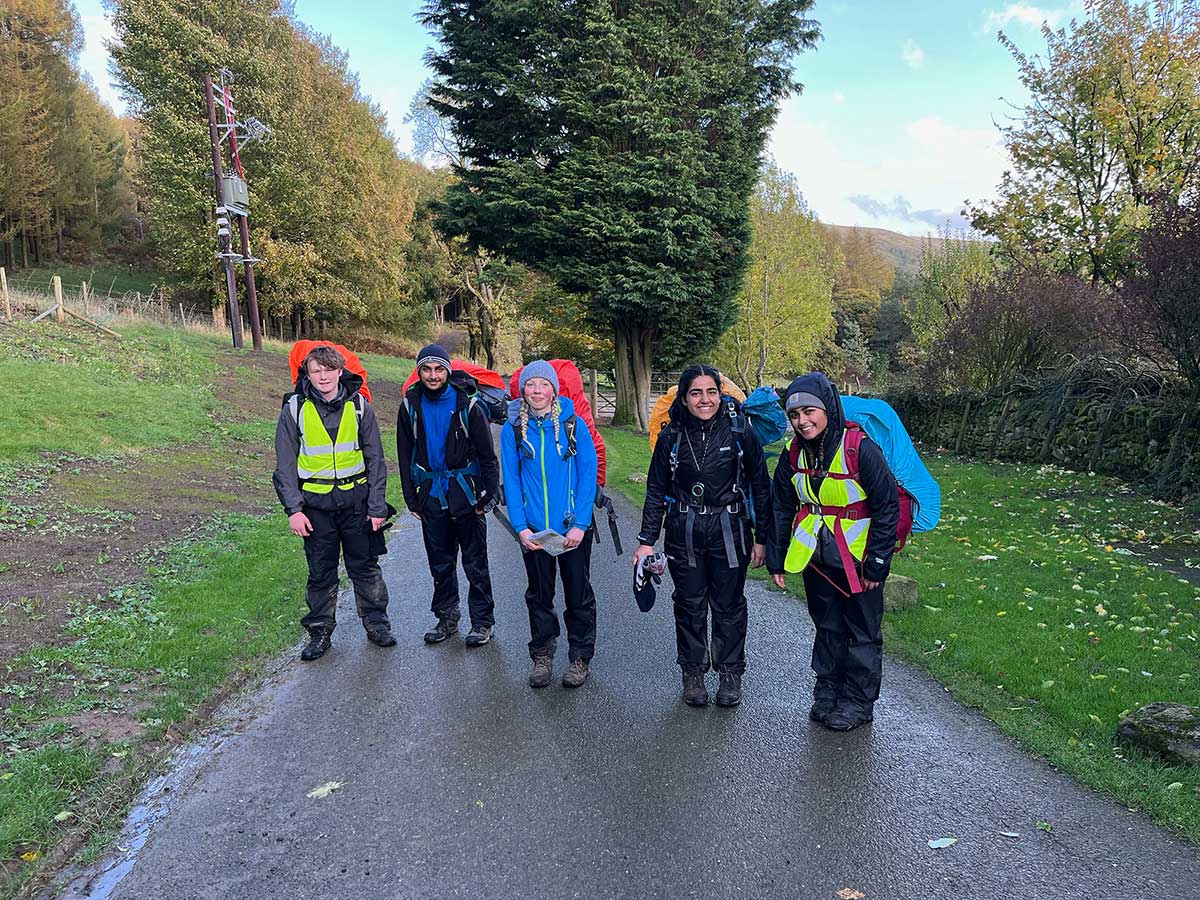
Extra-curricular activities and the options and opportunities available to students at WGS are crucial in enabling them to expand and develop their skill sets, as well as developing and enjoying their interests. Throughout all of these opportunities provided by our staff students have the chance to develop their teamwork, leadership and communication skills. Many of our student body are engaged in Diversity Champions, Mental Health Champions and Charity Ambassadors which enable them to show the important skill of benevolence, to give back and support members of our own community in school as well as the community at large beyond the school gates. This develops a sense of our students’ place within the world and how to make it a better society. Duke of Edinburgh offers participants a range of benefits in developing independence, self-sufficiency and organisation as they undertake their volunteering and expedition work.
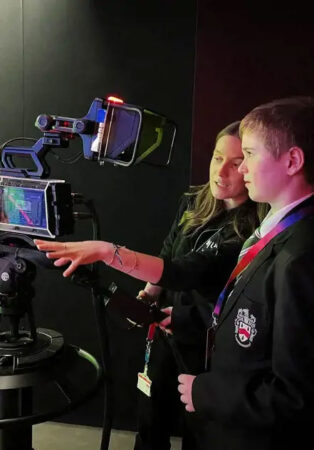
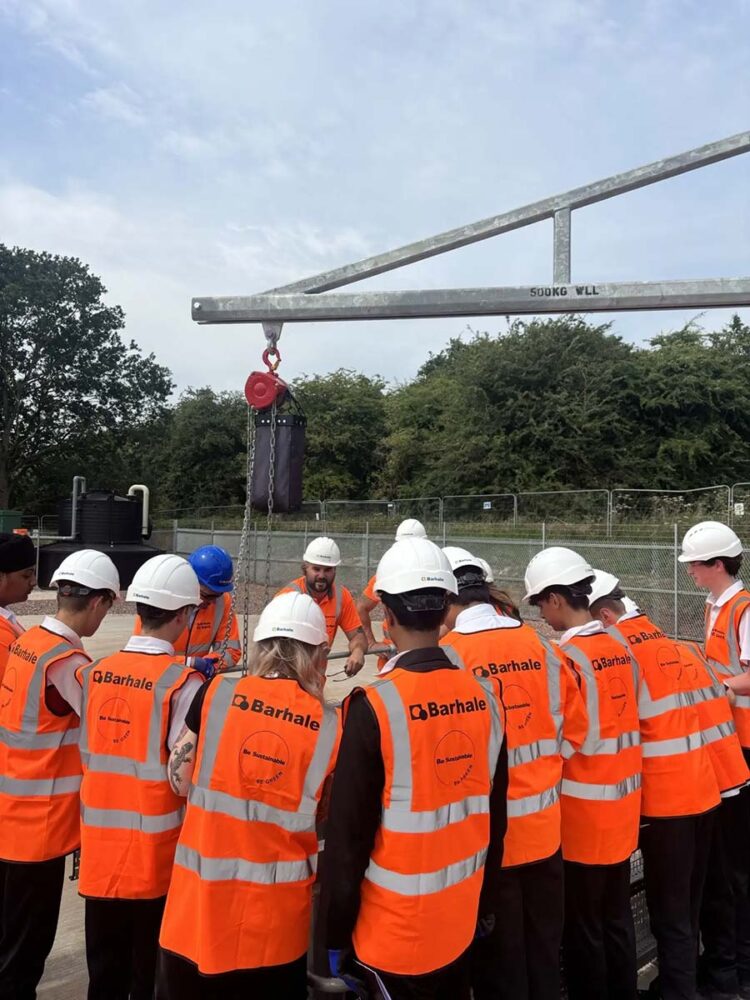
Within the classroom student curiosity and application of knowledge is always developed, but outside the confines of lessons assemblies also play an important role here. Staff share their reflections on important topics in the world, not necessarily offering answers but challenging students to engage and make up their own minds on such matters. To be able to make considered decisions based on evidence rather than simply following influencers or being at the mercy of social media algorithms. In short, to develop independent thinkers who are curious about the world around them.
At Wolverhampton Grammar School, all these extras, outside the curriculum, really help our students to think beyond themselves, allow them to grapple with real-world problems, but most importantly, be ready for life beyond the school gates.
So, the questions remain: are we willing to redefine success? Can we celebrate curiosity as much as achievement? Can we value empathy alongside intellect?
Education is not about preparing children for our past; it is about equipping them for their future. And that future demands more than knowledge, I believe it demands wisdom.